

Quick answer: For the Everest Base Camp trek, choose travel insurance that explicitly covers trekking to the highest altitude on your itinerary (approximately 5,545m at Kala Patthar), emergency medical treatment, evacuation by helicopter where medically necessary, hospitalization and repatriation. Check the policy’s exclusions and emergency-assistance process in writing before leaving home.
The classic Everest Base Camp trek reaches Everest Base Camp at about 5,364m and often Kala Patthar at around 5,545m. Standard travel insurance can exclude trekking above a specified altitude or activities outside marked routes. Your policy needs to cover the actual activities you intend to undertake, not just travel in Nepal.
This guide explains the details to verify in a policy, how evacuation arrangements work and what to do when flights are cancelled. It is general travel-planning information, not an endorsement of a particular insurer or a promise that a claim will be paid.

What Insurance Cover Do You Need for Everest Base Camp?
| Check before purchasing | Why it matters |
|---|---|
| Maximum trekking altitude | Ensure the altitude ceiling exceeds the highest point of your itinerary. Check whether the insurer measures sleeping altitude or maximum elevation reached. |
| High-altitude trekking | Confirm that non-technical multi-day trekking in Nepal is covered; ‘hiking’ cover alone may not include the Everest region. |
| Emergency medical care | Check hospital, physician, medication and ambulance coverage, together with claim limits. |
| Helicopter evacuation | Confirm medical necessity rules, authorization, assistance provider and payment arrangements. |
| Repatriation | Understand whether medically necessary return transport is covered and any conditions. |
| Trip interruption and cancellation | Look for covered causes, exclusions and documentation requirements, including weather-related disruptions. |
| Flight disruptions | Check treatment of delayed or cancelled domestic mountain flights as well as international flights. |
| Baggage and valuables | Review limits, deductibles and exclusions for trekking equipment, phones and cameras. |
| Excess / deductible | Understand your own share of a covered claim and any separate evacuation excess. |
A policy marketed as “adventure travel” or “trekking insurance” is not automatically sufficient. Ask the provider to confirm the route and maximum altitude in writing.
Does Everest Base Camp Require Insurance Cover Above 5,000m?
Yes, if the policy applies altitude restrictions, it must permit your actual maximum elevation. EBC itself is around 5,364m and Kala Patthar is about 5,545m. As a practical planning margin, travelers often look for a policy that clearly permits trekking to 6,000m, but there is no universal rule that every insurer uses a 6,000m band. Read the exact wording.
Do not assume all basic policies stop at 3,000m. Insurers have different altitude limits and different definitions of trekking, hiking, mountaineering and altitude-related illness.
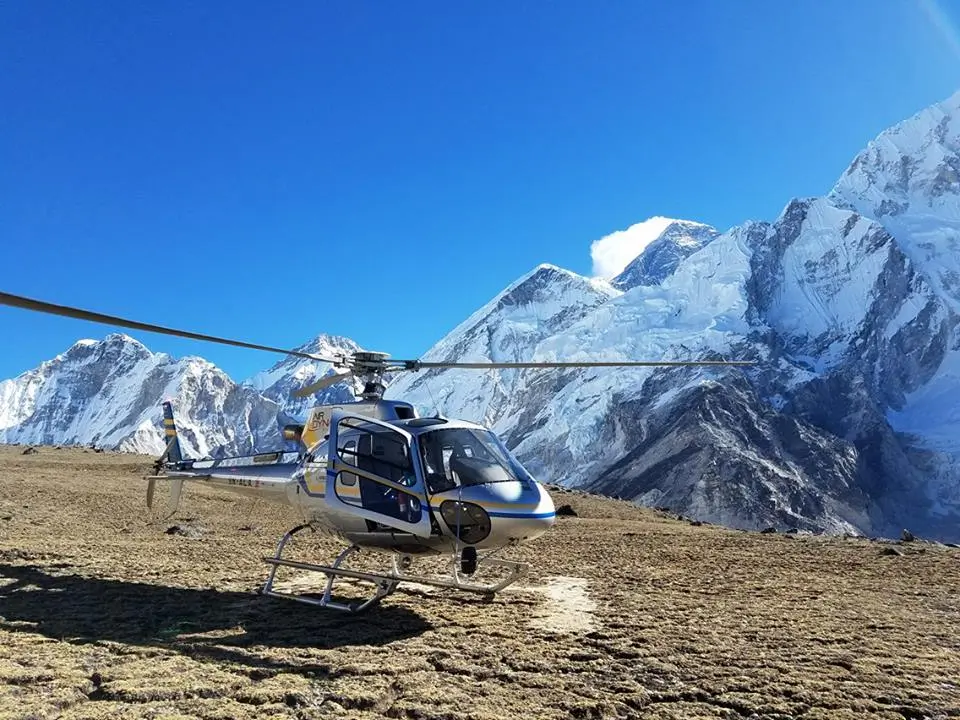
How Does Helicopter Evacuation Insurance Work?
If a guide or clinician believes evacuation may be required, the traveler or guide should contact the insurer’s 24-hour emergency-assistance service where practicable. The insurer may request medical information and arrange or authorize transport. However, fast-moving emergencies can require immediate action; follow the insurer’s documented emergency instructions and the judgment of qualified responders.
- Authorization: some policies require preapproval except in defined emergencies.
- Payment: the helicopter company or hospital may request a guarantee or upfront payment. Coverage is not the same as automatic cashless service.
- Weather: rescue depends on flying conditions, visibility, aircraft availability and the crew’s safety decisions.
- Claims: keep medical reports, invoices, flight records, communications and receipts.
- Exclusions: unnecessary sightseeing flights, voluntary helicopter returns or transport requested purely for convenience are not automatically medical evacuations.
It is unsafe to promise that travelers with insurance “will not have to pay” for helicopter evacuation. Claims may be denied or partly reimbursed depending on the policy and circumstances.
Altitude Sickness and Medical Coverage
High-altitude illness can affect healthy and experienced trekkers. Symptoms such as headache, nausea, unusual fatigue or dizziness should be reported to your guide immediately. Worsening symptoms, confusion, difficulty walking or breathlessness at rest can indicate a serious emergency and require prompt medical assessment and descent. Do not continue ascending with symptoms of altitude illness.
Insurance is a financial protection measure; it cannot prevent altitude sickness or replace acclimatization. Review the CDC Yellow Book guidance on altitude illness and consult a travel-medicine clinician about your personal health circumstances before departure.
What If the Lukla Flight Is Delayed or Cancelled?
Weather can interrupt flights between Lukla and Kathmandu or Ramechhap. Check whether the policy covers additional accommodation, transport, missed connections, delayed departure and unused services when the reason is specifically insured. Flight delays alone do not guarantee reimbursement. Check minimum delay periods, policy benefit ceilings and whether you must first seek assistance from the airline or tour operator.
Amigo’s published standard itinerary includes Ramechhap–Lukla flights during applicable operations and notes that certain additional expenses arising from cancellations can be excluded from its package price. Read the package inclusions and exclusions alongside your insurance policy.
Baggage Loss, Equipment and Personal Belongings
Travel policies may limit individual-item payouts, cap electronics claims or exclude items left unattended. For trekking equipment, compare the policy’s replacement limits with the value of your boots, sleeping bag, clothing and camera. Keep receipts for valuable equipment and carry essential medication and critical documents with you.
How to Compare Everest Base Camp Trek Insurance Policies
- Identify the exact itinerary and highest elevation, including Kala Patthar and any side trips.
- Ask whether the activity is covered as trekking without technical climbing; confirm snow or ice exclusions if relevant.
- Verify emergency helicopter evacuation and medically necessary treatment coverage.
- Check who arranges evacuation and whether advance payment or a guarantee is required.
- Read deductibles, medical limits, baggage limits and cancellation reasons.
- Check whether existing medical conditions or regular medication need to be declared.
- Compare policy prices only after confirming that their cover is genuinely comparable.
- Save the policy certificate and 24-hour contact information offline and share relevant details with Amigo before departure.
Should You Choose an Insurer From a Recommended List?
Insurers and assistance companies change policy wording, distribution partners and eligibility rules. A brand name appearing on an old trekking blog does not prove its current policy covers the Everest route. For this reason, Amigo does not treat the historical provider list as a guarantee of coverage. Compare current documents directly from providers authorized to sell insurance in your country of residence, and ask for written confirmation of Himalayan trekking and rescue cover.
What Should You Carry on the Trek?
- PDF and offline screenshot of the insurance certificate and policy number
- 24-hour emergency-assistance telephone number and email
- Proof of coverage for high-altitude trekking and emergency evacuation
- Emergency contact and passport identification details
- Relevant medical information and essential medication
- Payment method suitable for unforeseen expenses, noting that reimbursement may not be immediate
Keep digital copies accessible without internet. Our Everest Base Camp packing checklist also covers essential documents, clothing and equipment.
Frequently Asked Questions About EBC Trek Insurance
Is travel insurance mandatory for the Everest Base Camp trek?
Amigo’s standard EBC booking information requires insurance covering high-altitude trekking and helicopter evacuation. Check the operator’s booking conditions and Nepal’s current rules separately; operator requirements are not necessarily the same as government permit requirements.
What is the minimum altitude my insurance must cover?
Your maximum itinerary elevation is the critical figure. Standard EBC routes reach around 5,364m, and Kala Patthar around 5,545m. Select an insurance policy that explicitly includes your highest planned point; a 6,000m trekking ceiling is a practical margin when offered.
Does a normal travel policy cover EBC?
Not necessarily. Many policies have altitude, activity or evacuation exclusions. Verify the exact wording rather than assuming ordinary travel medical cover is enough.
Will my insurer pay a rescue helicopter directly?
Not always. Some emergency-assistance teams issue guarantees to providers; others reimburse approved costs or require upfront payment. Ask in advance how authorization and payment work.
Does insurance cover altitude sickness?
Only if altitude-related illness and the activity are within the policy terms. Medical treatment and emergency evacuation may be covered subject to limits and exclusions.
Can I claim if Lukla flights are cancelled by bad weather?
Potentially, depending on covered causes, delays and reimbursement conditions. Check missed-departure, travel-delay and interruption wording for domestic mountain flights.
Are my trekking boots and expensive camera insured?
Possibly, but policies typically include per-item limits, unattended-property exclusions and proof-of-ownership requirements. Compare those limits with your gear’s value.
Should I buy the cheapest policy?
Compare activity cover, rescue arrangements, exclusions and financial limits first. A cheaper policy that excludes trekking above 5,000m may not be suitable for EBC.
What if I trek with a pre-existing health condition?
Ask the insurer and a qualified medical professional before booking; coverage may require disclosure, screening or a specific endorsement.
What insurance details should I send Amigo before the trip?
Provide the policy number, insurer and emergency-assistance contact, plus the relevant coverage certificate. Do not share unnecessary sensitive medical records by unsecured channels.
Final Insurance Checklist Before Departure
Before flying to Nepal, confirm your policy’s actual altitude and trekking coverage, emergency evacuation process, medical limits and trip disruption terms. Keep the certificate accessible and share the emergency-assistance details with your trek coordinator. Insurance should be selected according to your exact itinerary, residence and medical needs—not based on an old list of provider names.



I was searching information about trip to Everest Base Camp. Great tips about insurance. I’ll acknowledge that.